Regulatory Compliance
Human Rights

-
you are in Sustainability

For Individuals
Personal BankingWealth BankingPrivilege BankingPRIVATE BANKINGFor Companies
GROUP WHOLESALE BANKINGGroup SME BankingForeign Direct InvestmentUOB ASEAN INSIGHTSINDUSTRY INSIGHTSSUSTAINABLE SOLUTIONSAbout UOB
UOB GroupBranches & ATMsSustainabilityTech Start-Up EcosystemUOB Group Subsidiaries
UOB ASSET MANAGEMENTUNITED OVERSEAS INSURANCEUOB TRAVEL PLANNERSUOB VENTURE MANAGEMENTUOB GLOBAL CAPITAL

Net Zero Commitment
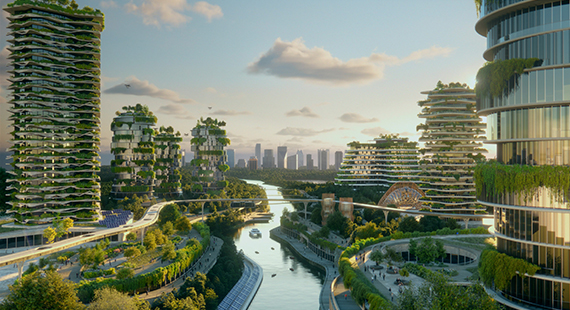
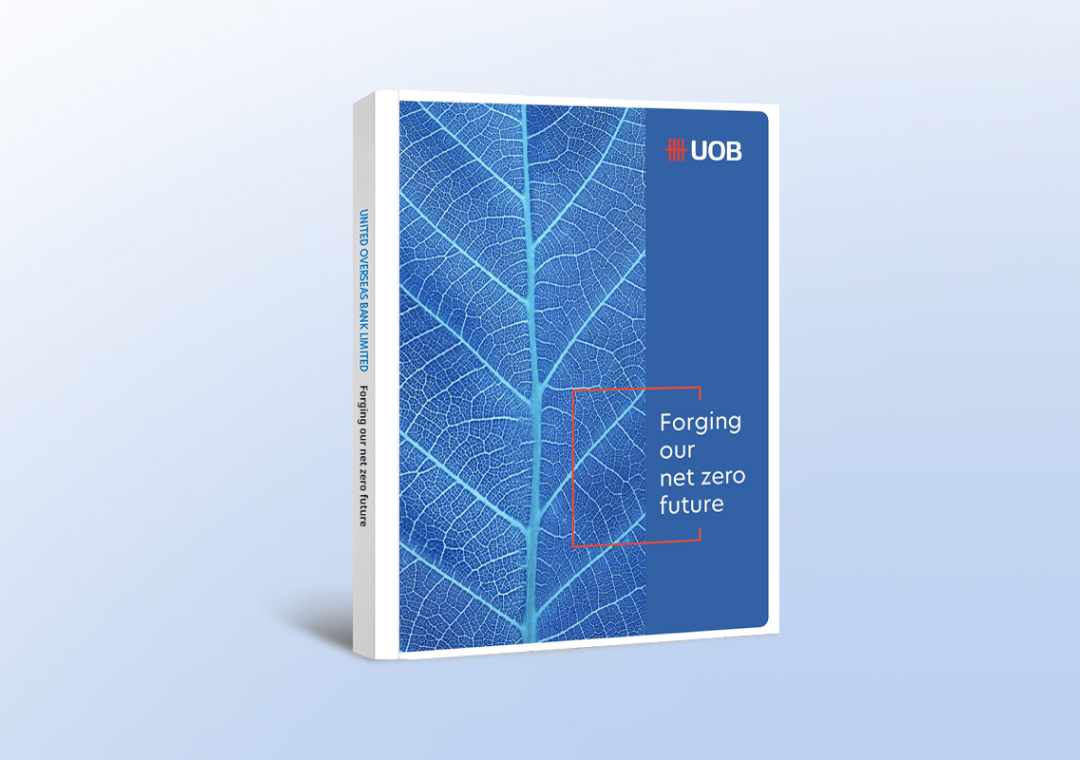
UOB's net zero commitment by 2050 is grounded in the need for a just transition that continues to support socioeconomic growth and improve energy access across ASEAN.
UOB’s commitment to building a sustainable ASEAN
Southeast Asia, a region with almost 700 million in population, is UOB’s home ground and where our strategic focus is. Also one of the most vulnerable regions to climate change, the region is facing stark consequences – rising sea levels, heat waves, droughts and increasingly severe rainstorms and floods. Southeast Asia risks losing more than 35% of its gross domestic product (GDP) by 2050 due to climate change.
At UOB, we believe that we must deliver environmental commitments that incorporate energy security, as well as economic and social equity and equality, considering the just transition of the region. Southeast Asia has been reliant on fossil fuels such as thermal coal to drive massive economic expansion, urbanisation and industrialisation in the past two decades, and the shift towards decarbonisation can result in trade-offs with real-life consequences.
As a leading financial institution operating in this region, UOB is steadfast in being a positive force in the fight against climate change.
Related

Responsible financing
We play a vital role through our financing practices in shaping responsible actions from our customers as we collectively build a sustainable future.


Financing for businesses
We support businesses in the transition to a low carbon economy, helping them stay relevant and competitive for the long term.
Direct environmental impact
We are committed to maintaining carbon neutrality for our operations and conserving resources for the well-being of future generations.
Related
Responsible financing
We play a vital role through our financing practices in shaping responsible actions from our customers as we collectively build a sustainable future.
Financing for businesses
We support businesses in the transition to a low carbon economy, helping them stay relevant and competitive for the long term.
Direct environmental impact
We are committed to maintaining carbon neutrality for our operations and conserving resources for the well-being of future generations.



We use cookies to improve and customise your browsing experience. You are deemed to have consented to our cookies policy if you continue browsing our site.